Is USDT Traceable? Tether Privacy Explained
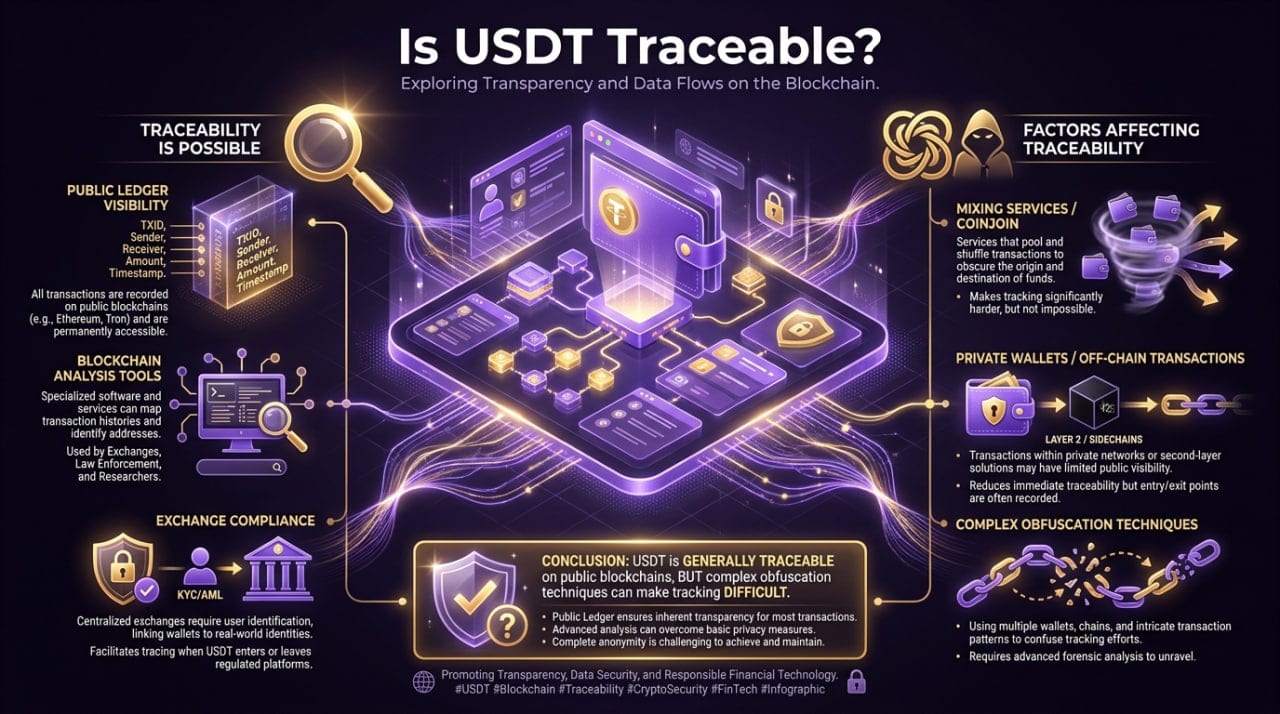
For privacy-conscious users wondering is USDT traceable, the short answer is an absolute yes. Every Tether (USDT) transaction is permanently recorded on public blockchains, giving both the issuer and blockchain analytics firms full visibility into your financial history. Unlike privacy coins, Tether is controlled by a centralized company that actively monitors addresses and can freeze your funds at any time.
How Tether Tracking Works on Public Blockchains
USDT does not have its own native blockchain. Instead, it exists as a smart contract token on networks like Ethereum, Tron, and Solana. Because these are transparent public ledgers, anyone with an internet connection can view the sender, receiver, timestamp, and amount of every single transfer.
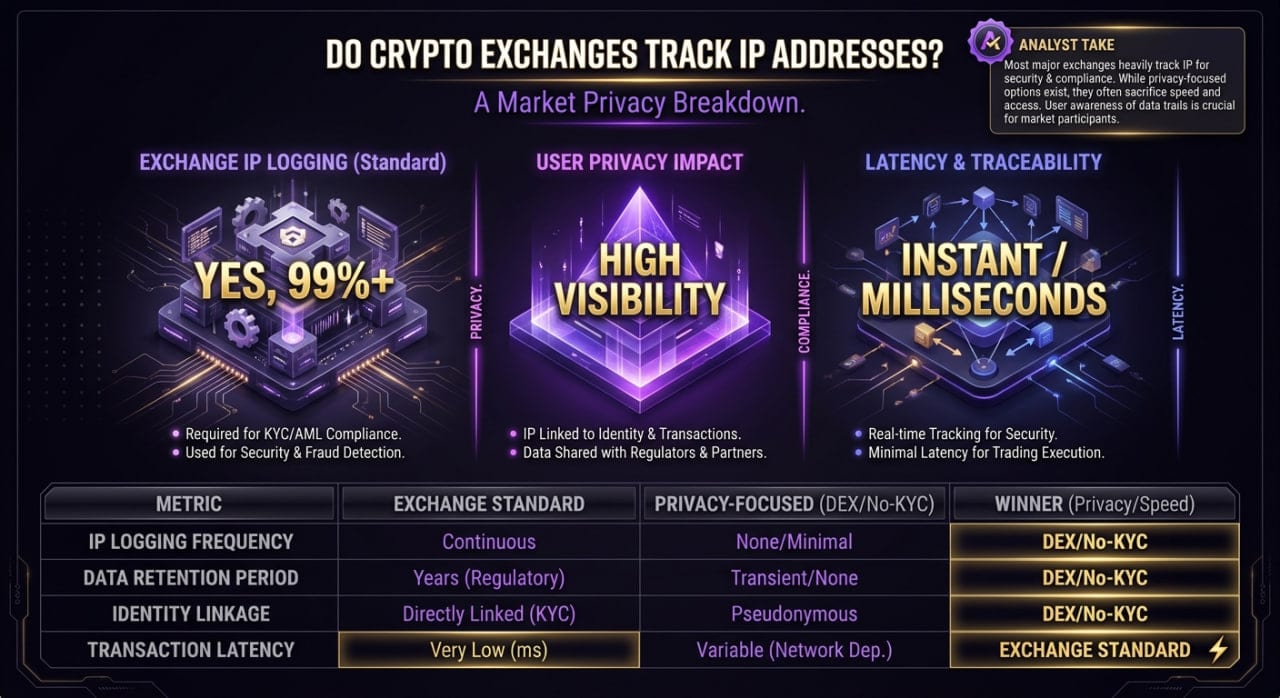
Chainalysis, Elliptic, and other blockchain surveillance firms map these public transactions to real-world identities. They achieve this by clustering addresses and tying them to centralized exchange accounts that require KYC (Know Your Customer) verification. If you ever withdraw USDT from a regulated exchange to your hardware wallet, that specific wallet address is permanently linked to your personal identity in their surveillance databases.
Even if you practice strict self-custody and generate a fresh address for every transaction, the flow of funds creates a permanent breadcrumb trail. When you send those coins to another party, the recipient can look at a block explorer and see exactly where the funds originated.
The Freeze Function: Why Is USDT Traceable by the Issuer?
The most significant privacy risk with USDT goes beyond mere transaction visibility. Tether Limited holds administrative keys to the smart contracts that govern USDT on every blockchain it supports. This central control allows them to execute a specific code function known as addBlackList.
When an address is added to this blacklist, all USDT held in that wallet becomes completely immobilized. You cannot send, swap, or redeem the tokens. Tether regularly uses this function in coordination with global law enforcement agencies to freeze funds suspected of involvement in hacks, scams, or sanctions violations.
[HUMAN VERIFY: Number of currently blacklisted Tether addresses on Ethereum and Tron]. As a centralized issuer, Tether must comply with subpoenas and regulatory orders from jurisdictions where they operate. This makes USDT fundamentally different from decentralized assets like Bitcoin, where no central authority can censor a transaction or seize your funds.
How Authorities Monitor and Freeze Traceable Stablecoins
When law enforcement wants to stop the movement of USDT, they follow a standardized process to track and seize the assets. Here is exactly how authorities monitor and freeze funds:
- 1. Flagging the transaction: Blockchain analytics tools identify suspicious fund movements or trace deposits back to an illicit source.
- 2. Identity unmasking: Investigators subpoena centralized exchanges where the suspected funds previously interacted to obtain the user's KYC documents.
- 3. Issuing the freeze request: Law enforcement sends a formal legal request to Tether Limited to freeze the specific self-custody wallet addresses.
- 4. Executing the smart contract: Tether administrators call the blacklist function on the blockchain, immediately locking the USDT in the target wallet.
- 5. Fund recovery or burning: In some cases, Tether destroys the frozen tokens and reissues the equivalent amount to a designated law enforcement address.
Privacy Strategies: Swapping Away From Centralized Assets
Because holding fiat-backed stablecoins carries censorship risks, privacy-conscious users often prefer holding censorship-resistant assets. Bitcoin and over-collateralized stablecoins like DAI offer different models that lack the administrative freeze functions found in Tether and USDC.
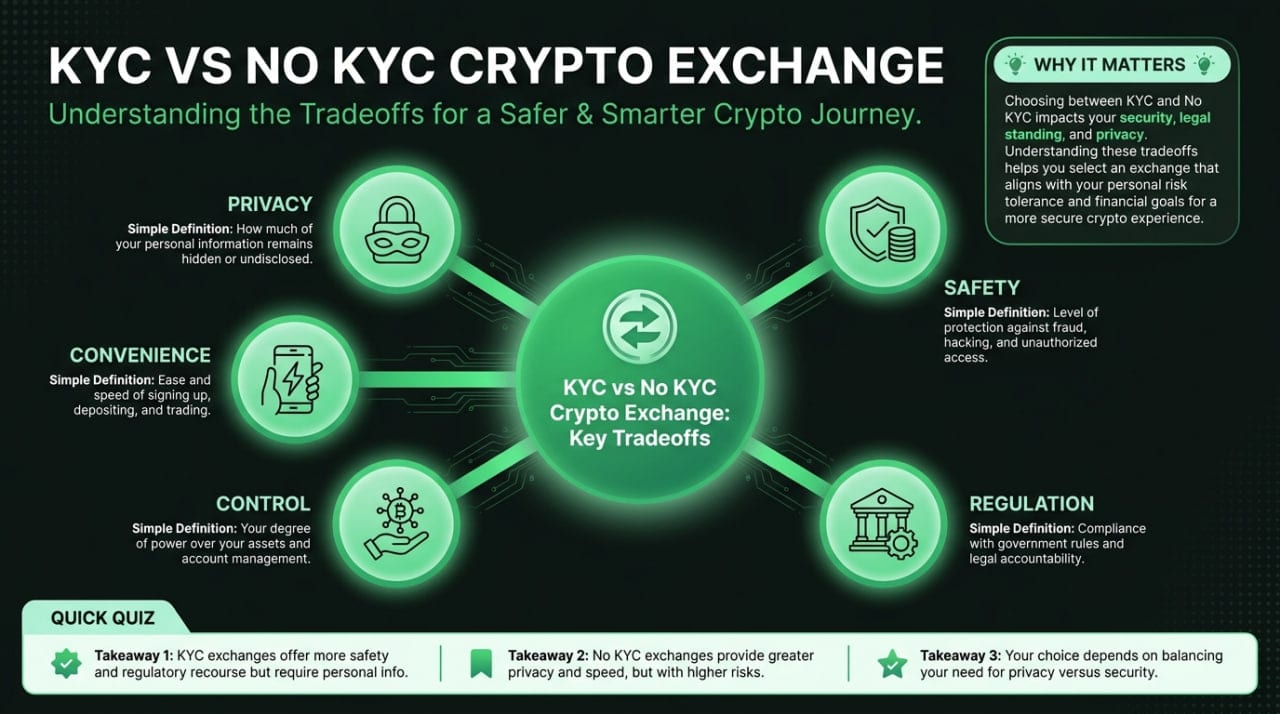
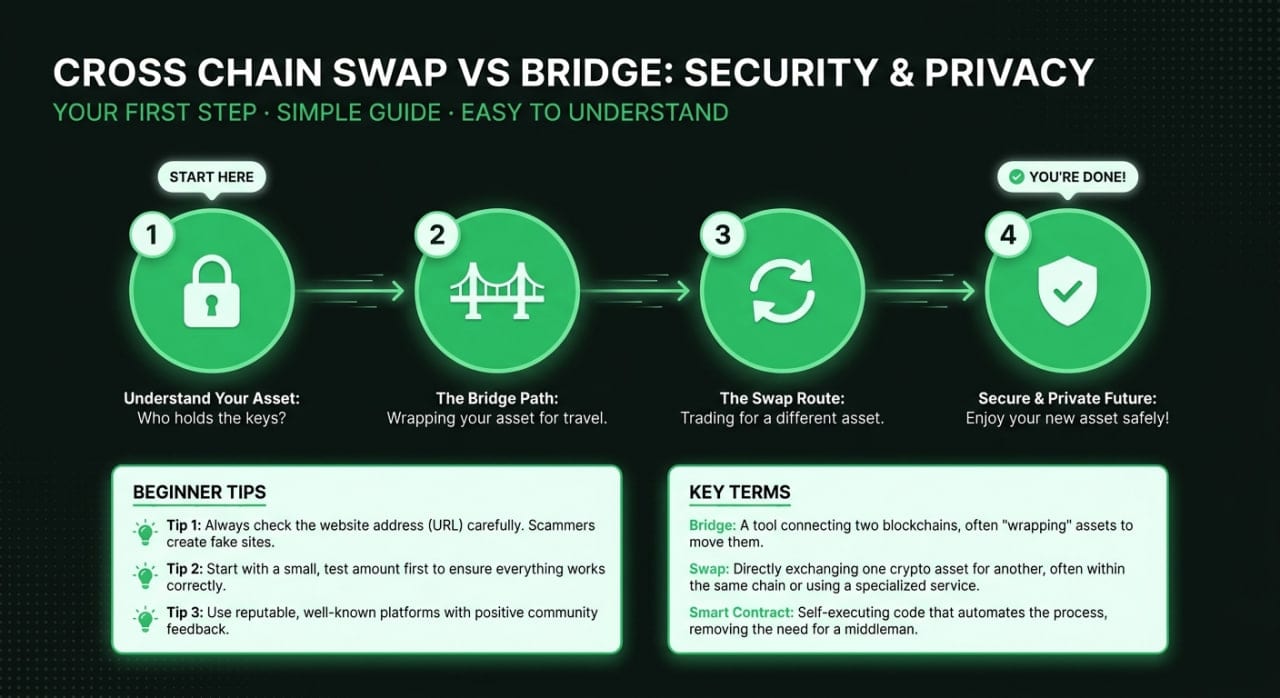
Moving out of a centralized asset requires caution. Sending USDT back to a centralized exchange links your self-custody wallet to your identity and exposes you to potential withdrawal holds. Instead, many users rely on decentralized exchanges (DEXs) or non-custodial swaps to break the direct link to centralized platforms.
For instance, you might use a No-KYC platform like MistySwap to instantly swap BTC to DAI or other decentralized alternatives directly from your own wallet. Understanding how the swap process works is critical: because you never create an account, the swap service only knows the specific transaction parameters, not your broader financial profile. This approach keeps custody firmly in your hands while limiting unnecessary data exposure.
Network Choice: Does the Blockchain Change How Traceable USDT Is?
Users often mistakenly believe that moving USDT off Ethereum onto cheaper networks improves their privacy. Whether you hold USDT on Ethereum (ERC-20), Tron (TRC-20), or Polygon, the underlying tracing mechanics remain identical.
Every network Tether supports utilizes an open public ledger. Tron processes millions of USDT transactions daily, but block explorers like TronScan clearly display every transfer in plain text. Tether maintains the exact same blacklist capabilities and surveillance integrations across all these networks.
If you plan to swap BTC to TRX to pay for Tron network fees when moving your USDT, remember that Tron is highly monitored. Cheaper gas fees simply mean it costs less to execute a transaction; it does not obscure the transaction path or hide your balance from network observers.
FAQ
Can the government track my USDT wallet?
Yes. Government agencies use sophisticated blockchain analytics software to trace USDT transactions across the public ledger. If your wallet has ever interacted with a regulated crypto exchange, investigators can legally subpoena that exchange to connect your wallet address to your real-world identity.
Is USDT on Tron more private than Ethereum?
No. Tron is a public blockchain with a completely transparent ledger, just like Ethereum. Anyone can view your wallet balance and transaction history, and Tether retains the same ability to blacklist Tron addresses as they do on any other supported network.
What happens if Tether freezes my funds?
If Tether adds your wallet address to their smart contract blacklist, your USDT becomes completely locked. You will be unable to transfer, trade, or withdraw the tokens. There is no decentralized appeals process; you would have to contact Tether directly and likely deal with law enforcement to unfreeze the funds.
How can I check if my wallet is blacklisted by Tether?
You can check if your address is blacklisted by pasting it into a block explorer like Etherscan or Tronscan. Alternatively, there are dedicated dashboards like the Dune Analytics Tether Blacklist tracker that monitor the specific smart contract functions to show newly banned addresses in real-time.
Informational only — not financial, legal, or tax advice.