P2P vs Instant Crypto Swap: Pros and Cons
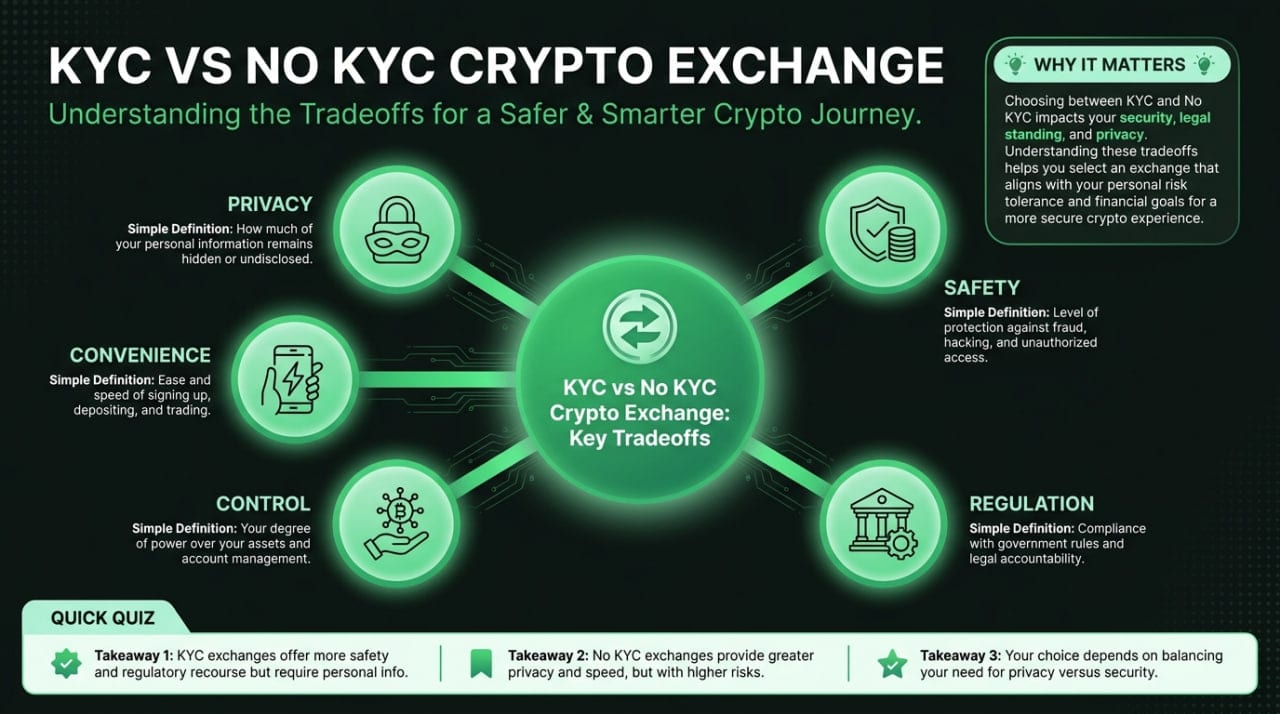
Choosing between a p2p vs instant crypto swap comes down to whether you prioritize raw decentralization or execution speed without sacrificing personal privacy. Peer-to-peer (P2P) platforms connect individual buyers and sellers through multi-signature escrow, whereas instant swaps automatically route trades across liquidity pools directly to your private wallet. Both methods allow you to bypass intrusive identity verification, but they operate on fundamentally different architectural models.
How P2P Marketplaces Handle Private Trades
P2P platforms like Bisq or RoboSats operate decentralized order books where users trade directly with one another. To execute a swap, both parties typically lock funds into a 2-of-2 or 2-of-3 multi-signature escrow address on-chain. This setup requires both traders to post a security deposit to incentivize honest settlement and discourage malicious chargebacks or deliberate stalling.
Because trades rely on manual coordination, P2P marketplaces require patience. You must wait for an offer that matches your desired trading pair, price tolerance, and volume. If a counterparty becomes unresponsive after funds are locked, you must enter a dispute resolution process mediated by an arbitrator, which can tie up your capital for days.
How Automated Non-Custodial Swaps Work
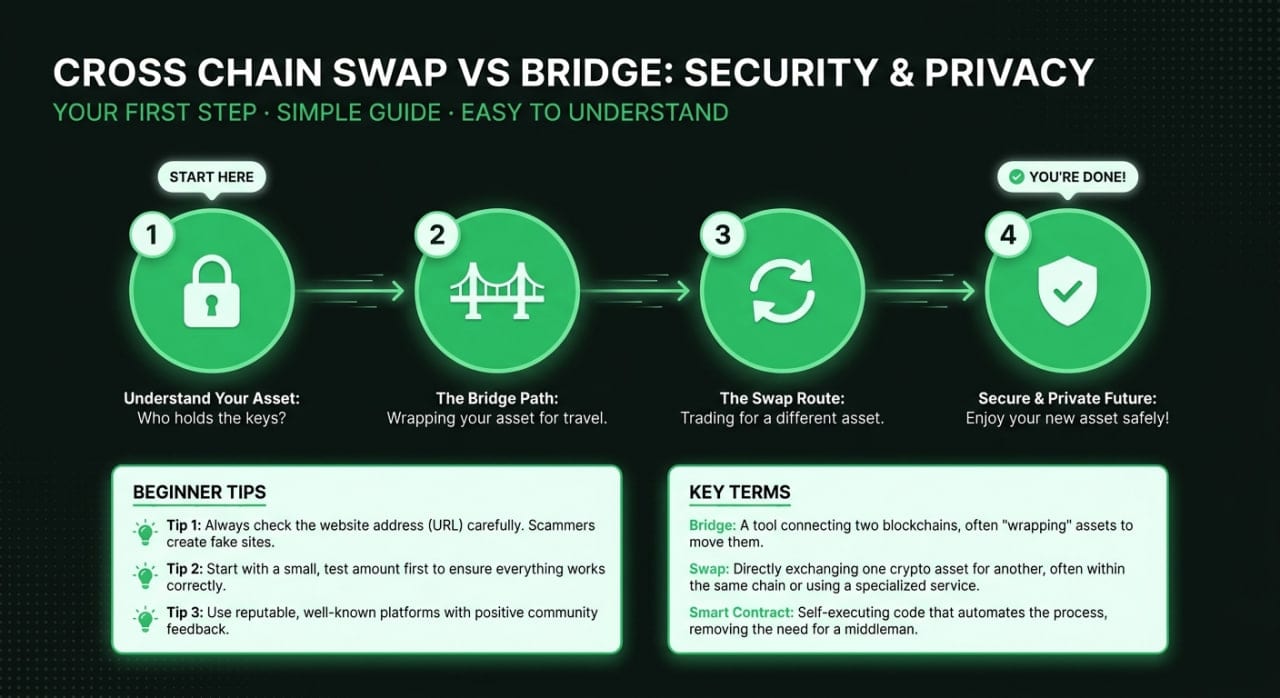
Instant routing services eliminate the human counterparty by connecting directly to decentralized liquidity networks and automated market makers. Instead of waiting for an individual peer to accept your order, the platform generates a dynamic, one-time deposit address for your transaction. Once your inbound payment receives the required blockchain confirmations, the backend automatically converts the asset and sends it to your specified receiving address.
Platforms like MistySwap operate on a non-custodial, no-registration framework that requires no email, password, or identity documentation. You can review how the swap process works to see how algorithmic routing eliminates the order book wait entirely. This structure allows users to swap BTC to ETH or other volatile assets in minutes rather than waiting on peer confirmations.
P2P vs Instant Crypto Swap: Execution Speed and Liquidity
The most visible distinction between these two models is execution velocity. P2P crypto-to-crypto trades are throttled by human interaction, offer discovery, and multiple on-chain transactions needed to fund and release escrow contracts. An instant swap executes automatically through pre-funded liquidity pipelines as soon as the mempool clears the initial deposit.
Liquidity depth represents another major operational divergence. P2P order books for altcoins and cross-chain pairs are often thin, meaning large orders suffer from heavy price premiums or fail to fill altogether. Instant swap engines pull from aggregated liquidity sources across multiple providers, giving users access to tighter spreads and higher volume limits without moving market prices unfavorably.
Transparent pricing also varies significantly across both architectures. P2P trades often involve makers setting wide spreads above spot rates to compensate for escrow lockups and volatility risks. Instant swaps provide fixed or floating rate quotes based on live market pricing, though users should always check how fees work across different blockchain networks before initiating a transfer.
P2P vs Instant Crypto Swap: Security and Counterparty Risk
Security risks manifest differently depending on whether you interact with an automated routing engine or an individual peer. In a P2P exchange, counterparty risk is mitigated by multisig escrow, but social engineering and payment disputes remain potential friction points. A rogue peer cannot steal your locked crypto directly, but they can tie up your security deposit by refusing to sign the release transaction.
Instant swap architectures remove peer-level interpersonal risk entirely. Because smart contracts or automated routing protocols handle execution, transactions cannot be held hostage by an uncooperative trader. If an automated swap fails due to extreme network congestion or sudden liquidity droughts, the system is programmed to issue a refund back to your original input address automatically.
Privacy trade-offs also differ in subtle ways. P2P trades isolate metadata between you and a single counterparty, but that peer learns your payout address and can analyze your wallet history on public ledgers. Non-custodial instant swaps break direct peer-to-peer tracking by routing funds through pooled liquidity addresses, preventing direct on-chain association between the sender and receiver.
P2P vs Instant Crypto Swap: Which Privacy Model Fits Your Needs?
Selecting the best tool depends on your trading assets, urgency, and tolerance for operational complexity.
- Choose a P2P marketplace if: You are converting fiat directly to crypto without identity verification, insist on running a dedicated desktop client over Tor, and have the time to manage escrow bonds and dispute arbitration.
- Choose an instant crypto swap if: You are executing crypto-to-crypto trades, need immediate settlement to capture market moves, require access to dozens of altcoin pairs, and want a clean direct-to-wallet transfer without locking collateral.
FAQ
Does an instant crypto swap require identity verification?
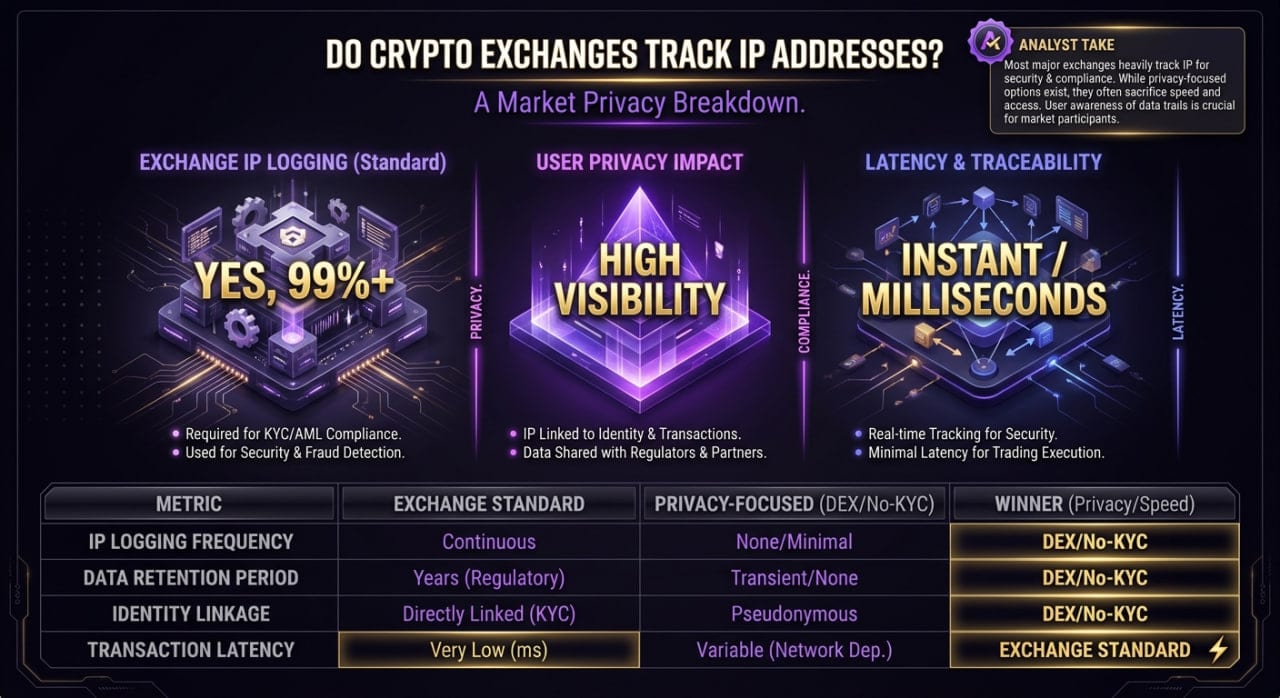
True non-custodial instant swaps do not mandate Know Your Customer (KYC) checks, accounts, or personal data collection. Users interact strictly through blockchain addresses by sending the deposit amount and receiving the output asset in their own self-custody wallet. Always ensure the platform you choose does not log IP addresses or mandate phone verification.
Is P2P crypto trading safer than using an instant swap?
P2P trading eliminates intermediary platform reliance by utilizing smart contracts or multisig escrow, but it introduces counterparty friction and mediation delays. Instant swaps carry operational reliance on liquidity aggregators, but they remove human fraud and escrow lockups. Both models offer robust safety when used with non-custodial wallets and verified payout addresses.
How do network fees differ between P2P and instant swaps?
P2P trades generally incur higher cumulative on-chain network fees because establishing, funding, and releasing multi-signature escrow contracts requires multiple separate blockchain transactions. Instant swaps typically require only one inbound transaction from the user, while the routing engine handles conversion and output settlement in a single streamlined batch.
Can blockchain analytics link my wallet when using instant swaps?
If an instant swap routes your trade through aggregated pools, it mixes your transaction with high-volume market flows, making direct heuristics harder to establish. However, public ledgers remain transparent. To maintain maximum privacy, always generate a fresh, unused destination address for every incoming swap to avoid balance and history clustering.
Informational only — not financial, legal, or tax advice.