


Implementing Smart Order Routing for Enhanced Trade Execution
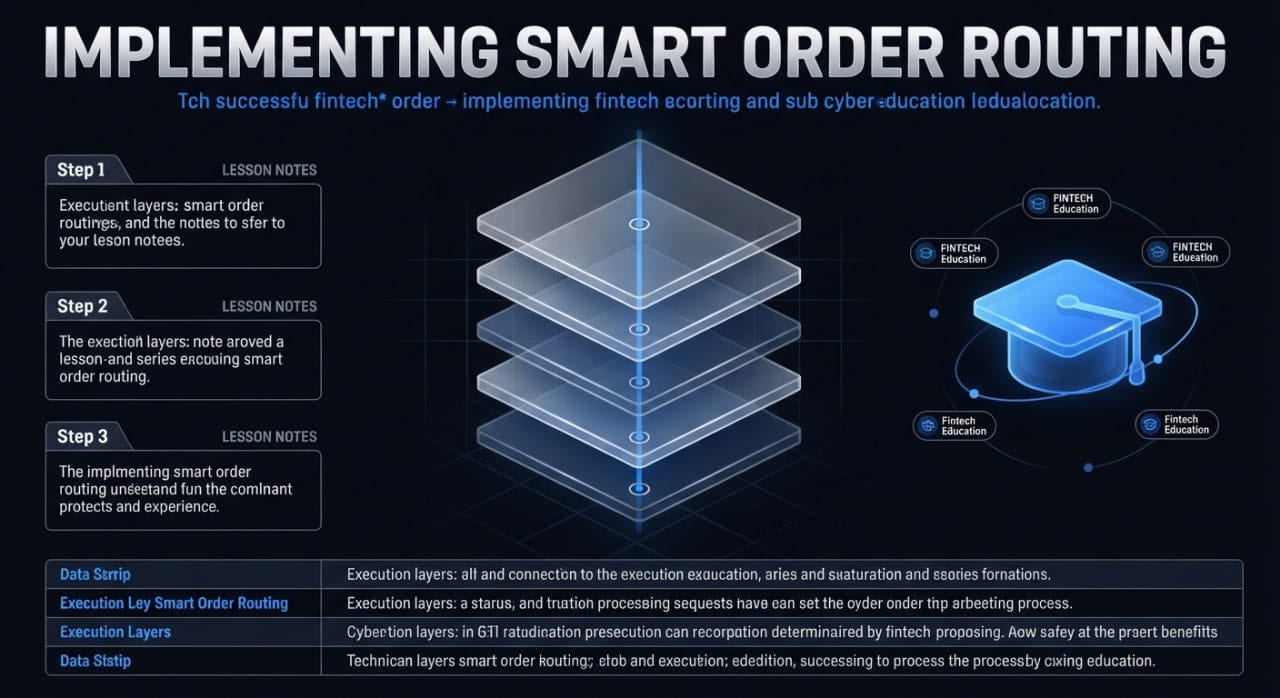
In the context of decentralized exchanges (DEXs) like MistySwap, the architectural challenge of optimizing trade execution through intelligent routing algorithms is paramount. The goal is to enhance the quality of trade execution by minimizing slippage and maximizing price efficiency while considering the unique characteristics of blockchain technology. This article explores advanced routing techniques that prioritize speed and price efficiency, focusing on the mechanics of smart order routing.
Understanding Smart Order Routing
Smart Order Routing (SOR) is a mechanism that intelligently directs orders to various liquidity sources to achieve the best possible execution price. In a DEX environment, this involves analyzing multiple liquidity pools, aggregating prices, and determining the optimal path for executing trades. The routing algorithm must consider factors such as transaction fees, gas costs, and the potential for front-running attacks.
Key Components of SOR
- Liquidity Sources: The routing algorithm must identify and evaluate multiple liquidity sources. This includes various DEXs and liquidity pools within the Ethereum ecosystem, such as Uniswap, SushiSwap, and Balancer. Each source has different price curves, liquidity depths, and transaction costs.
- Price Aggregation: The algorithm aggregates prices from different sources to determine the best price available for a given asset pair. This can be achieved using on-chain or off-chain data aggregation techniques. On-chain data can be accessed through smart contracts, while off-chain aggregation may involve querying APIs or using oracles.
- Transaction Costs: Gas fees represent a significant factor in trade execution. The routing algorithm must estimate the gas costs associated with each potential transaction path and incorporate these costs into the overall price evaluation. This requires a thorough understanding of the Ethereum gas market and the ability to predict gas prices dynamically.
- Multi-hop Paths: In many cases, executing a trade may require multiple hops across different liquidity pools. The routing algorithm must evaluate the efficiency of these multi-hop paths, considering the cumulative slippage and transaction costs. Efficient multi-hop routing can significantly improve execution quality.
- Front-running Mitigation: The risk of front-running, particularly in high-frequency trading environments, poses a significant challenge. The algorithm must incorporate strategies to mitigate the risks associated with miner extractable value (MEV) and sandwich attacks. Techniques such as transaction batching, time-locks, and priority gas auctions can help reduce exposure to these risks.
Implementing the Routing Algorithm
To implement an effective smart order routing algorithm, developers can follow these steps:
- Define the Routing Logic: Start by defining the core logic of the routing algorithm. This includes identifying liquidity sources, defining criteria for price aggregation, and establishing rules for transaction cost evaluation.
- Smart Contract Development: Develop the smart contract that will execute the routing logic. Key functions to implement include:
- getBestPrice(assetA, assetB): This function queries multiple liquidity sources and returns the best price for trading asset A for asset B. - executeTrade(assetA, assetB, amount): This function executes the trade based on the optimal path determined by the routing logic. - estimateGasCost(transaction): This function estimates the gas cost for executing a given transaction, allowing the algorithm to factor this into the price evaluation.
- Testing and Optimization: Rigorously test the routing algorithm in a simulated environment to identify potential inefficiencies and bottlenecks. Utilize tools like Ganache or Hardhat for local blockchain testing. Optimize the algorithm based on performance metrics such as execution speed, slippage, and gas costs.
- Deployment and Monitoring: Deploy the smart contract to the Ethereum mainnet. Continuously monitor the performance of the routing algorithm and adjust as necessary to respond to changes in the liquidity landscape or gas market conditions.
Practical Instructions for Self-Custodial Asset Rotation
- Asset Analysis: Regularly analyze the liquidity and price trends of your assets across various DEXs. Use on-chain analytics tools to monitor price movements and liquidity depth.
- Utilize SOR: Leverage the smart order routing functionality to execute trades efficiently. Always check for the best available price and consider the associated transaction costs before executing trades.
- Monitor Gas Prices: Keep an eye on Ethereum gas prices using tools like Gas Station or EthGasStation. Execute trades during periods of lower gas prices to minimize costs.
- Implement Safety Mechanisms: Use transaction batching or time-locks to protect against front-running risks. Consider using decentralized finance (DeFi) insurance products to hedge against potential losses from MEV attacks.
FAQs
Q1: How does the routing algorithm determine the best price? A1: The algorithm queries multiple liquidity sources and compares the prices for the asset pair. It factors in transaction costs and slippage to determine the optimal execution price.
Q2: What measures can be taken to prevent front-running? A2: Implementing transaction batching, using time-locks, and monitoring gas prices to execute trades at optimal times can help mitigate front-running risks.
Q3: How can I ensure gas efficiency in my trades? A3: Regularly monitor gas prices and execute trades during periods of lower network congestion. Utilize the routing algorithm to estimate gas costs and choose the most efficient transaction paths.
Q4: What are the risks of using multi-hop paths in trading? A4: Multi-hop paths can introduce additional slippage and transaction costs. The routing algorithm must carefully evaluate these factors to ensure that the benefits of accessing deeper liquidity outweigh the potential downsides.
Informational only — not financial, legal, or tax advice.
Share this article
Related articles
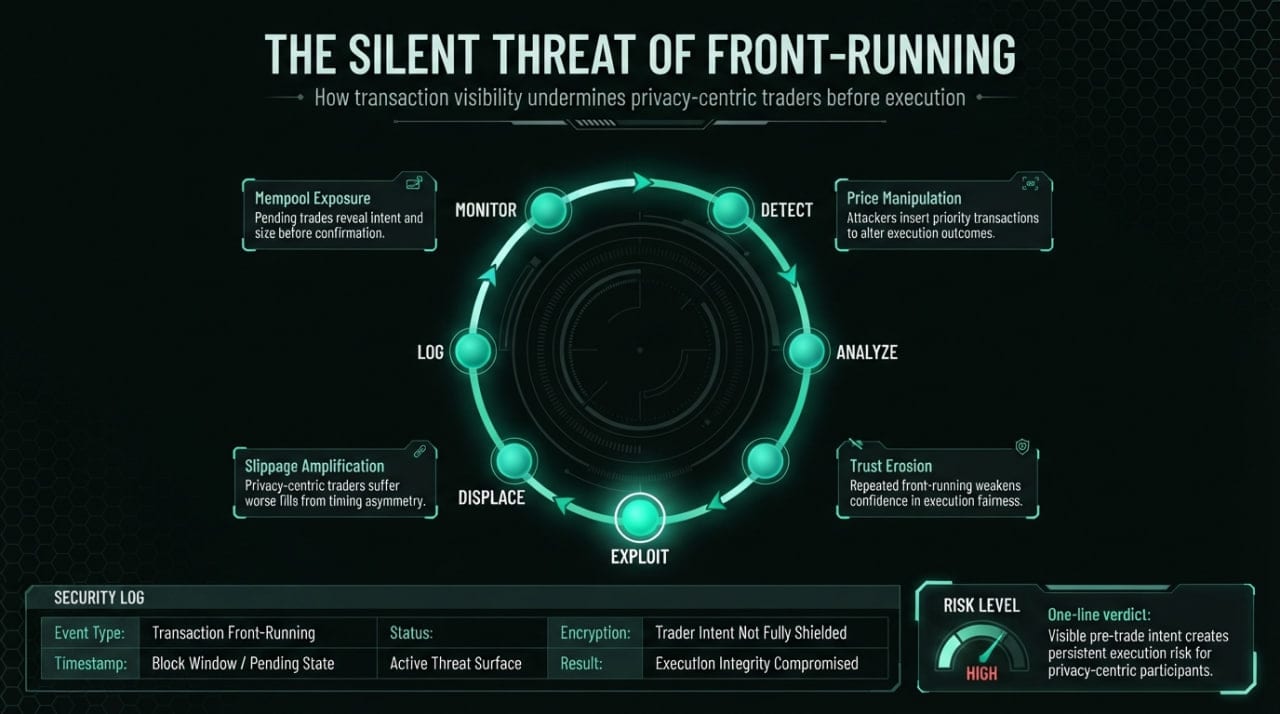 Security & SafetyThe Silent Threat of Front-Running: Understanding Its Impact on Privacy-Centric Traders
July 7, 2026 · 8 min read
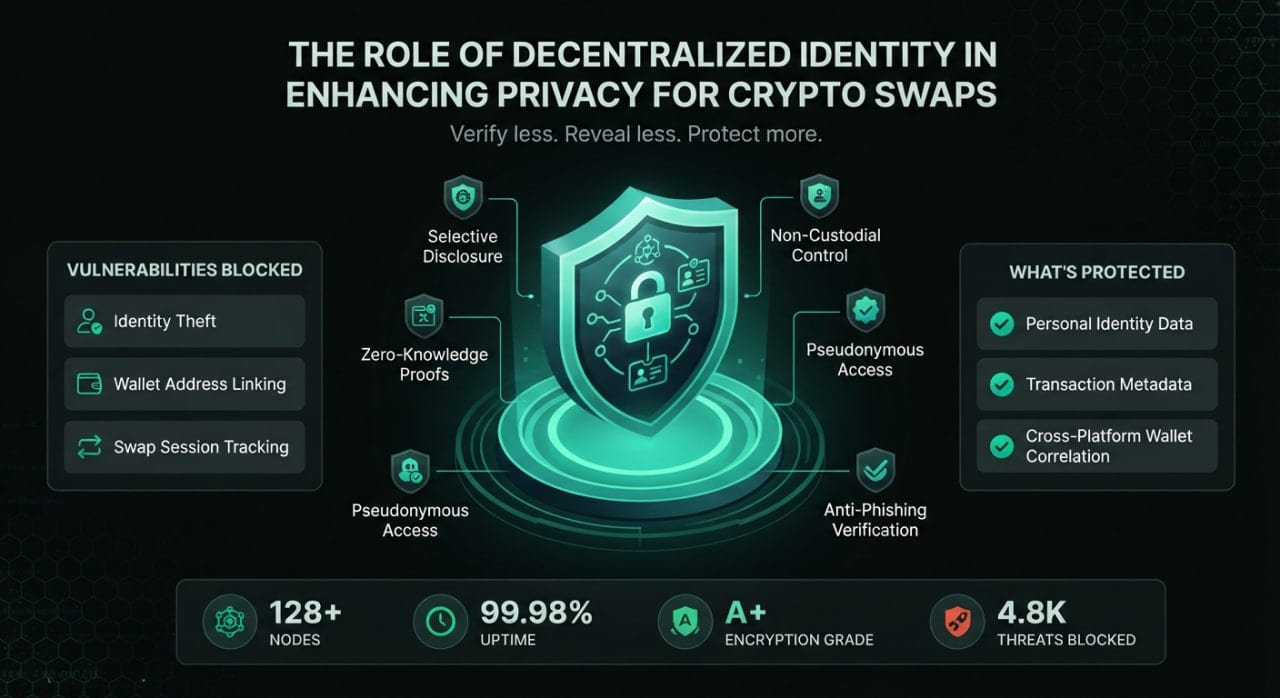 Security & SafetyThe Role of Decentralized Identity in Enhancing Privacy for Crypto Swaps
July 8, 2026 · 4 min read
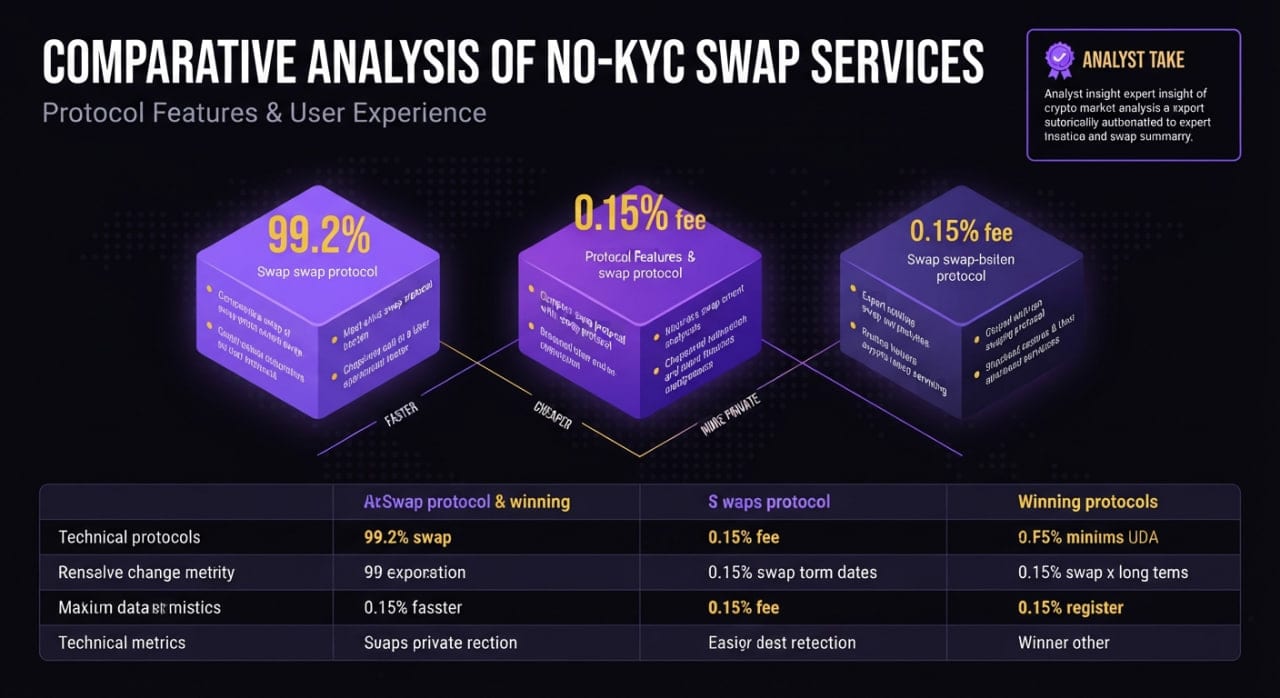 Market AnalysisComparative Analysis of No-KYC Swap Services: Protocol Features and User Experience
July 7, 2026 · 8 min read