Forgot XRP Destination Tag? What to Do
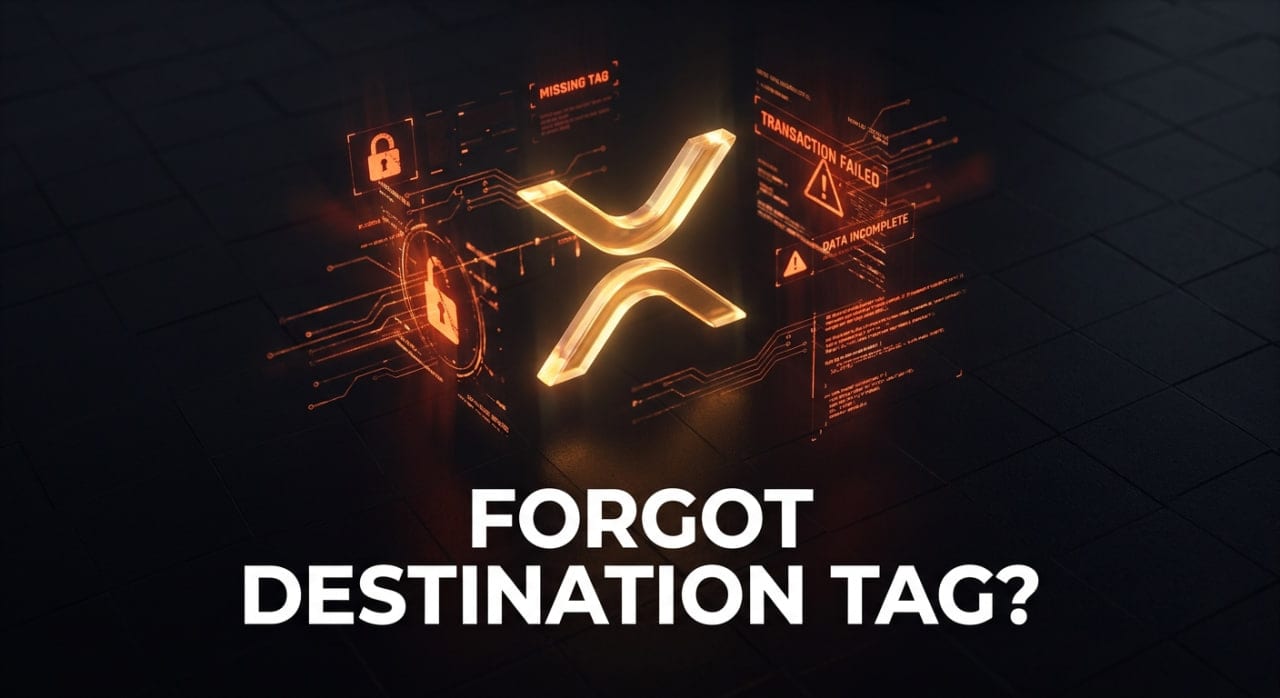
If you sent funds to a centralized exchange but forgot the XRP destination tag, your crypto is not permanently lost. Centralized platforms use a single shared wallet for all user deposits, relying on that tag to route the funds and credit your specific account. To recover your XRP, you will need to contact the receiving exchange's customer support team and provide cryptographic proof that you initiated the original transaction.
Why Exchanges Require an XRP Destination Tag
When you generate an XRP deposit address on a centralized platform like Binance, Coinbase, or Kraken, you are not receiving a unique on-chain wallet. The XRP Ledger enforces a minimum base reserve of 10 XRP just to activate a new address and prevent ledger spam. To avoid paying this 10 XRP base reserve for millions of individual users, centralized exchanges operate massive communal wallets.
The destination tag acts as your personal account number within that shared communal wallet. When an XRP transaction arrives at the main exchange address, the exchange's automated internal system scans the transaction memo for your assigned tag. If the tag matches what they have on file, the internal database credits your individual account balance.
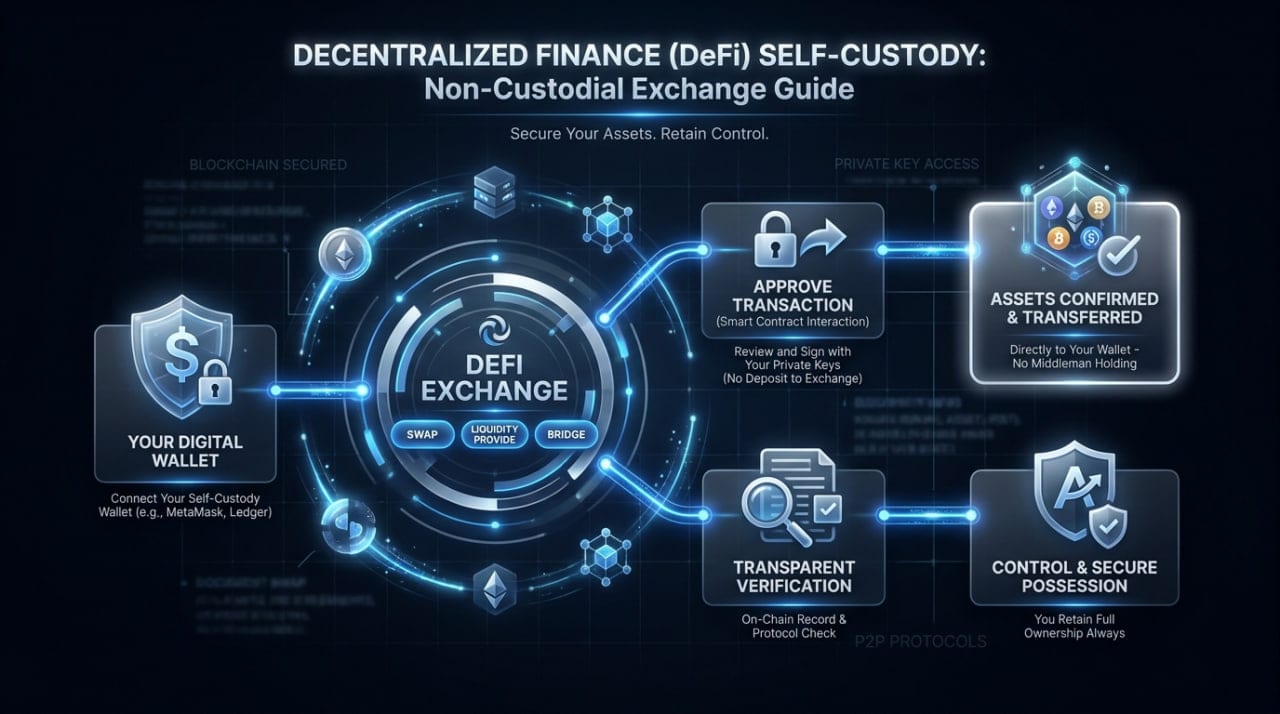
Self-custody wallets and decentralized services operate entirely differently. If you use a non-custodial swap service like MistySwap to trade assets, you provide your own personal receiving address, and you can learn how the swap process works without worrying about shared custodial accounts. Because you hold the private keys to your own wallet, there is no central database assigning you a routing memo.
What Happens When You Forgot Your XRP Destination Tag?
When you send a transaction without the required tag, the XRP Ledger still processes the transfer normally. The funds successfully move from your sending wallet to the exchange's communal receiving wallet. The transaction is fully confirmed, immutable on the blockchain, and the exchange has possession of your XRP.
The problem exists entirely on the exchange's internal accounting side. Their automated deposit system sees the incoming XRP but lacks the routing information required to assign it to a specific user account. The funds simply sit unassigned in the exchange's hot wallet storage. You now have to manually bypass the automated system by having a human support agent verify the blockchain data and credit your account.
Steps to Recover XRP Sent Without a Destination Tag
To get your funds credited, you must prove to the receiving exchange that you control the wallet that originated the transfer. You should prepare specific transaction data before opening a support ticket to bypass unhelpful automated chatbot loops.
Here are the exact steps to recover your untagged XRP:
- Locate your Transaction ID (TXID) by opening your sending wallet, selecting the sent transaction, and copying the 64-character transaction hash.
- Copy the exact public XRP address from which your funds originated.
- Record the intended destination details, including the exchange deposit address and the specific destination tag you were originally supposed to use.
- Capture an unedited screenshot or screen recording of the transaction history from inside your sending wallet to serve as initial visual proof.
- Submit a support ticket to the receiving exchange under the "Missing Deposit" category, providing the TXID, amount, sending address, and your visual proof.
Proving Wallet Ownership to the Exchange
Strict centralized exchanges will often require additional cryptographic proof beyond a simple screenshot of your sending wallet. Because anyone can view a TXID or wallet balance on a public block explorer, a screenshot alone might not satisfy their internal compliance department. They need undeniable proof that you hold the private keys.
To prove ownership, the support agent will usually instruct you to send a micro-deposit. They will ask you to send a tiny amount of XRP (such as 0.001 XRP) from the exact same sending wallet to their deposit address, but this time including a new, specific destination tag they provide in the support ticket. Because only the wallet owner can authorize this new transaction, it proves you control the originating address.
Once you complete this micro-deposit, the support agent manually links the original, untagged transaction to your user account. This manual recovery process can take anywhere from a few days to several weeks, depending heavily on the exchange's current customer support backlog.
Preventing Destination Tag Errors in the Future
The easiest way to avoid memo and tag errors entirely is to withdraw your funds to a personal self-custody wallet like Ledger, Trezor, or a reputable mobile wallet. Personal wallets do not require destination tags because the entire on-chain address belongs exclusively to you. Any funds sent to that address are automatically yours, regardless of what is in the memo field.
If you prefer keeping your funds off custodial exchanges entirely, you can swap directly between your own personal wallets. Whether you swap BTC to ETH or trade XRP natively, peer-to-peer and non-custodial models remove the risk of exchange-specific routing errors. If you must use a centralized exchange, always send a small test transaction first when depositing to a new platform.
FAQ
Can an invalid destination tag cause a failed transaction?
No, the XRP Ledger does not validate destination tags for accuracy before processing a transfer. If you input an incorrect tag or leave it blank, the blockchain will still process the transaction, and the funds will land in the receiving wallet. The failure happens exclusively on the exchange's internal accounting system, not the blockchain.
How long does it take for an exchange to recover untagged XRP?
Recovery times vary wildly depending on the specific centralized exchange and their current support volume. Some platforms process missing deposit claims in 48 hours, while others require weeks of back-and-forth communication with compliance teams. You are entirely at the mercy of their manual customer support queue.
Do decentralized exchanges need destination tags?
Decentralized exchanges (DEXs) and non-custodial swap platforms generally do not require destination tags. Since you are interacting with smart contracts or sending directly to personal addresses rather than communal exchange wallets, the unique on-chain address is sufficient to route your funds.
Will the exchange charge a fee to recover the funds?
Some centralized exchanges charge a manual recovery fee for deposits sent without the correct memo or tag. This administrative fee is often deducted directly from the recovered XRP balance to compensate for the engineering or support time required to manually locate and credit the funds.
Informational only — not financial, legal, or tax advice.